
Cross-Industry Partnerships in Fashion
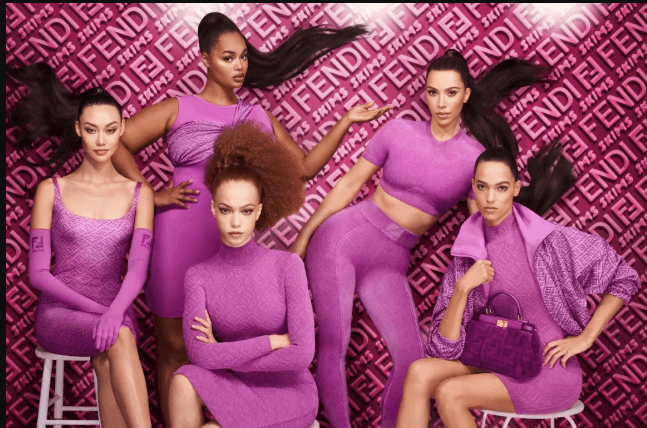
Cross-industry partnerships in fashion fuse tech, design, and operations to accelerate innovation. They shorten cycles, broaden distribution, and enrich consumer experiences through collaborative experimentation. By aligning goals with market needs, brands can prototype smarter materials, sustainable processes, and immersive experiences while maintaining agility. The approach builds resilience and transparency across sectors, inviting disciplined cross-functional teamwork. Yet questions remain about governance, metrics, and risk—areas that determine whether these alliances sustain long-term value.
What Cross-Industry Partnerships Bring to Fashion
Cross-industry partnerships bring accelerated innovation to fashion by merging core strengths from tech, automotive, healthcare, and entertainment with design and production. This approach yields accelerated product cycles, broader distribution, and richer consumer experiences. It reinforces agile decision-making and cross-functional teams, aligning goals with market needs.
fashion collaborations empower brands to listen deeply, harness consumer insight, and redefine value through collaborative experimentation.
How Tech, Music, and Sports Drive Material Innovation
Tech, music, and sports ecosystems converge to accelerate material innovation, translating digital insight, performance data, and real-world usage into smarter fibers, coatings, and production processes. This collaboration yields agile, scalable solutions across tech fabrics and music driven materials, enabling designers to align performance with style. Strategic partnerships promote transparency, rapid prototyping, and shared risk, driving sustainable breakthroughs while preserving creative freedom for all stakeholders.
Building Immersive Experiences and Circular Business Models
Building immersive experiences and circular business models requires synchronized collaboration across design, technology, and operations to turn consumer journeys into propositions that are both engaging and sustainable.
The approach embraces agile collaboration, enabling wearable sourcing to align supply threads with ethical pilots, while provenance storytelling reinforces trust.
Strategic partnerships translate visions into scalable, flexible platforms that honor freedom, responsibility, and continuous innovation.
Evaluating Partnerships: Strategy, Metrics, and Risks
Evaluating partnerships requires a disciplined framework that aligns strategic goals, measurable outcomes, and risk profiles across collaborators.
The process emphasizes strategy alignment and transparent risk assessment, enabling rapid learning and course correction.
Clear governance, shared metrics, and open communication sustain trust, while predefined exit and renewal criteria reduce ambiguity.
Agile collaboration minimizes friction, clarifies roles, and sustains freedom-driven, cross-industry value creation.
Frequently Asked Questions
How Do Cross-Industry Partnerships Influence Brand Authenticity?
Cross-industry collaborations influence brand authenticity by aligning strategic branding with authentic storytelling, where authenticity cues emerge from transparent partnerships and shared values, guiding agile decisions that strengthen trust while preserving creative freedom and audience connection.
What Governance Models Best Suit Fashion Collaborations Across Sectors?
A slate of governance models emerges: shared steering, joint IP, and tiered risk sharing, with tone setting governance guiding pace and boundaries. Like a windward sail, a data-driven anecdote anchors decisions, enabling agile, collaborative risk management across sectors.
How Do Partnerships Address Supply Chain Transparency and Ethics?
Partnerships advance supply chain transparency and ethics governance by aligning joint standards, sharing verifiable data, and embedding accountability across tiers; they enable agile, collaborative decision-making while preserving freedom and strategic oversight for diverse industry players.
See also: Reliable Tech System 218440672 For Growth
What IP Considerations Arise in Cross-Industry Fashion Alliances?
IP considerations in cross-industry fashion alliances include clear IP licensing terms, trademark co branding boundaries, ownership delineations, and infringement risk management; the approach remains agile, collaborative, and strategic, empowering participants while safeguarding freedom and ethical innovation.
How Can Startups Leverage Partnerships for Market Entry and Scaling?
Startups leverage partnerships for rapid market access and scalable growth, aligning resources through product co-creation and agile go to market strategies; secure startup funding, share risk, and foster collaborative ecosystems that empower freedom-seeking brands to scale.
Conclusion
Cross-industry partnerships in fashion unlock accelerated innovation, shared risk, and expanded capabilities, enabling brands to prototype smarter materials, sustainable processes, and immersive experiences at speed. By combining tech, music, and sports insights with design excellence, companies co-create value across ecosystems, improve transparency, and deepen consumer engagement. As collaborations evolve, teams stay agile, align strategy with market needs, and measure impact across metrics. The result is a resilient, collaborative runway where creativity and commerce move in near-perfect harmony, like gears turning in seamless unison.